

GALLERY
London Classic
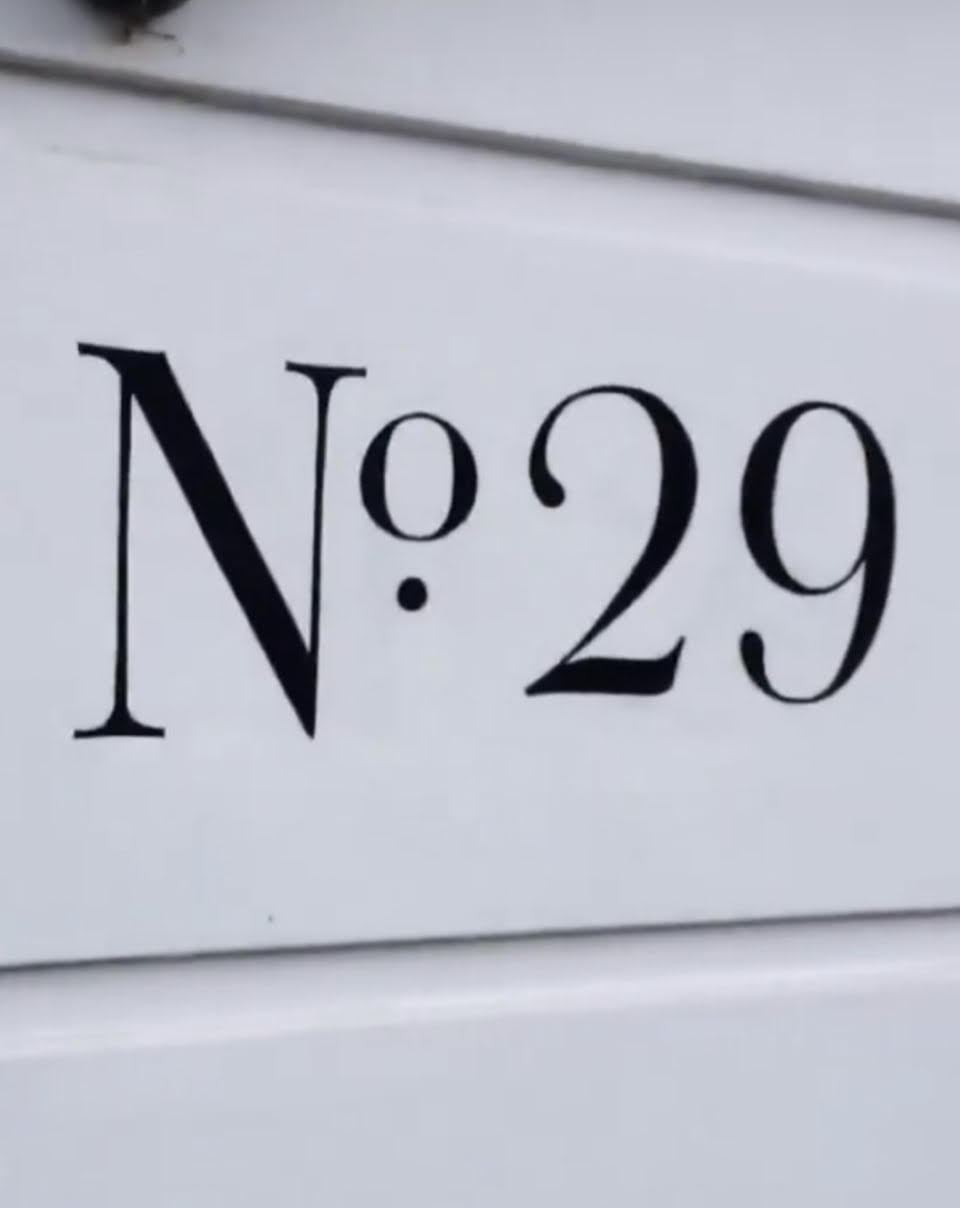
Hand Painted Heritage House Numerals

Warm, welcoming…
Hand Painted House Numerals
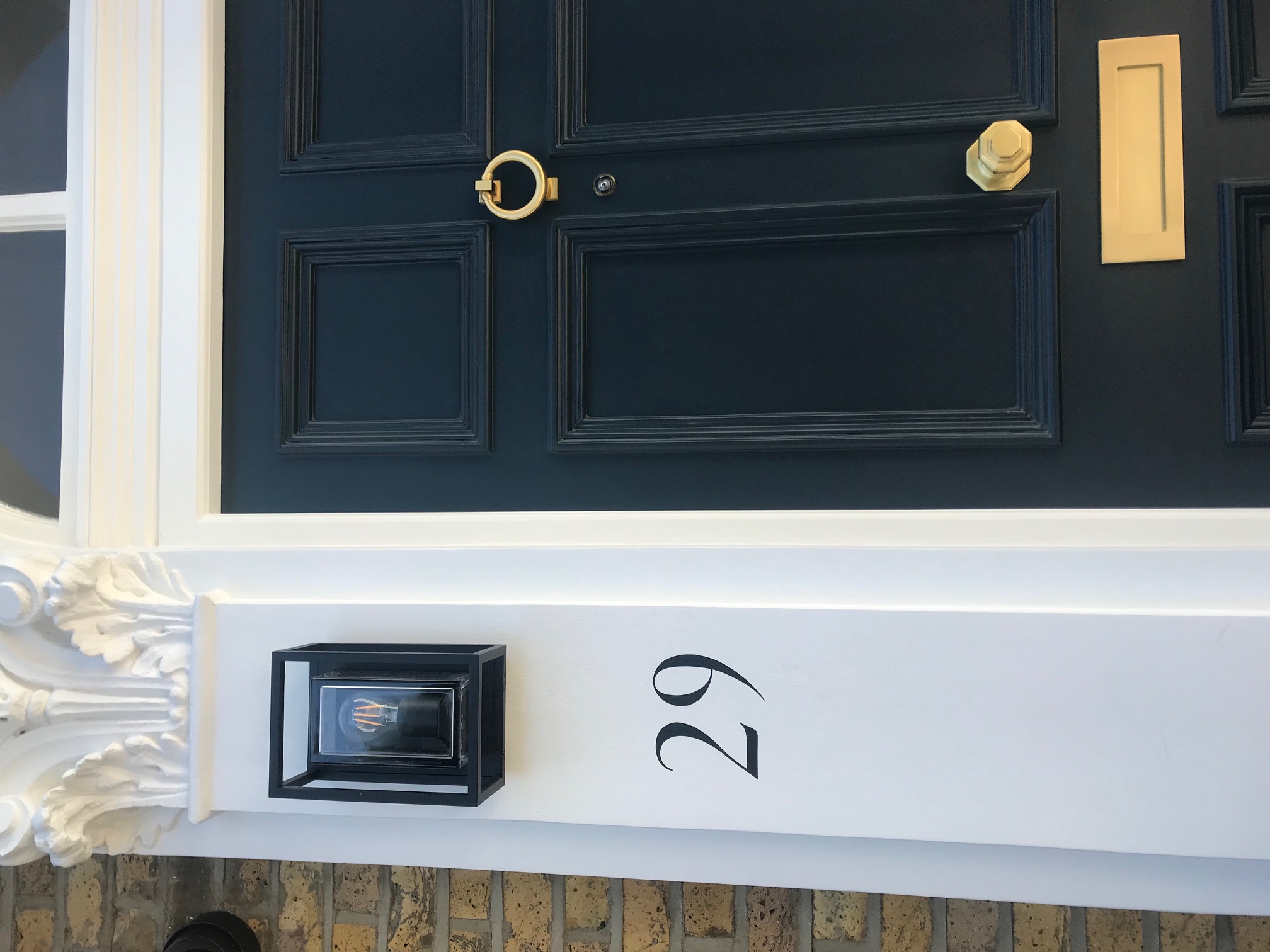
Traditional with that Modern twist
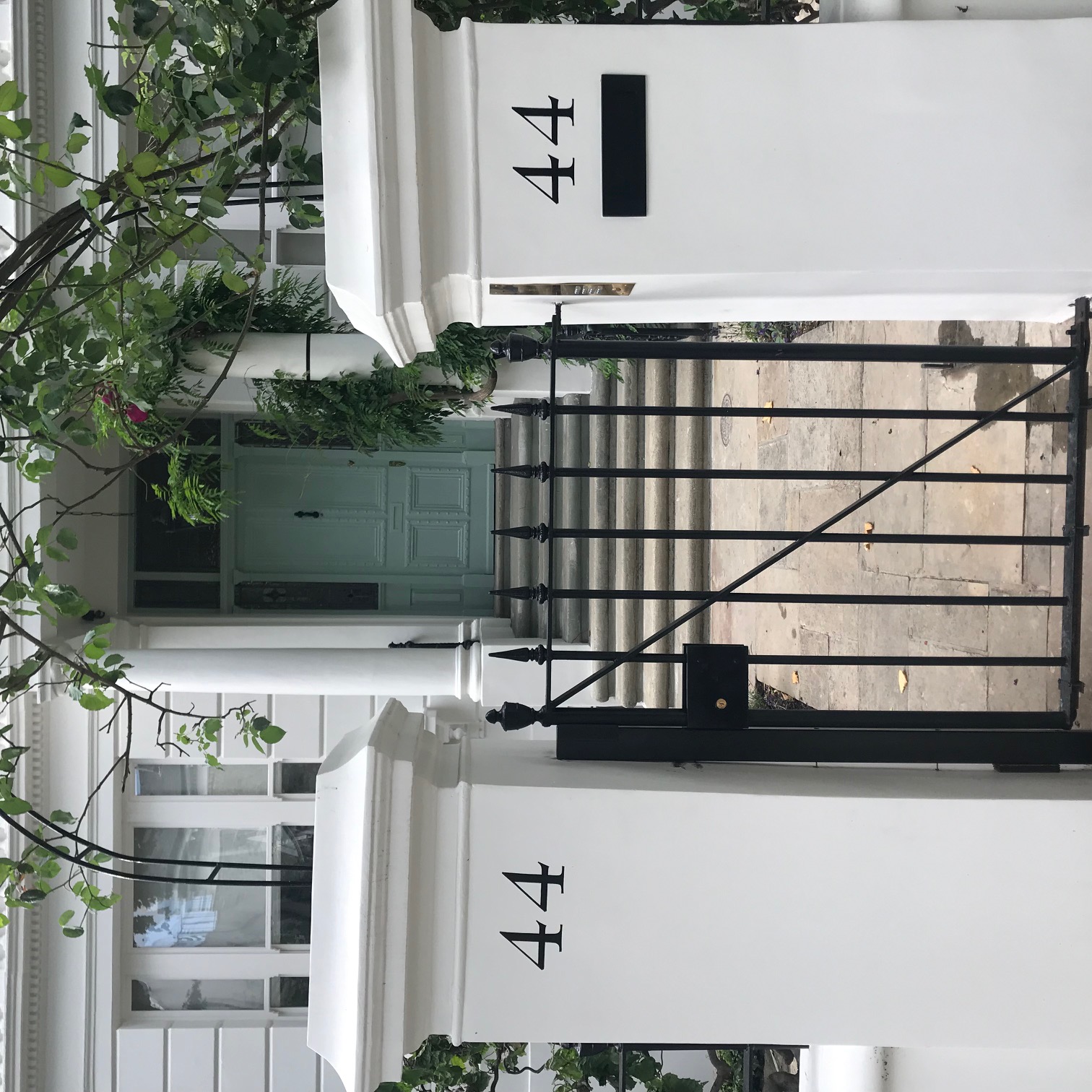
pride yourself
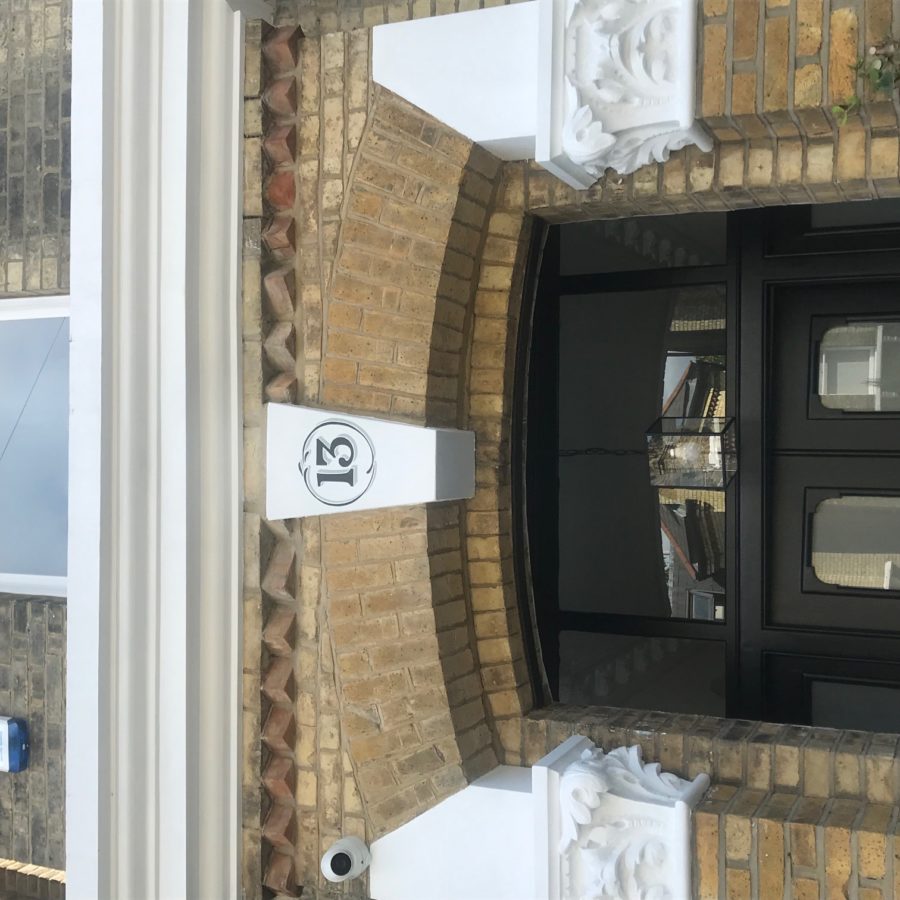
London’s Leading Victorian House Number Painter
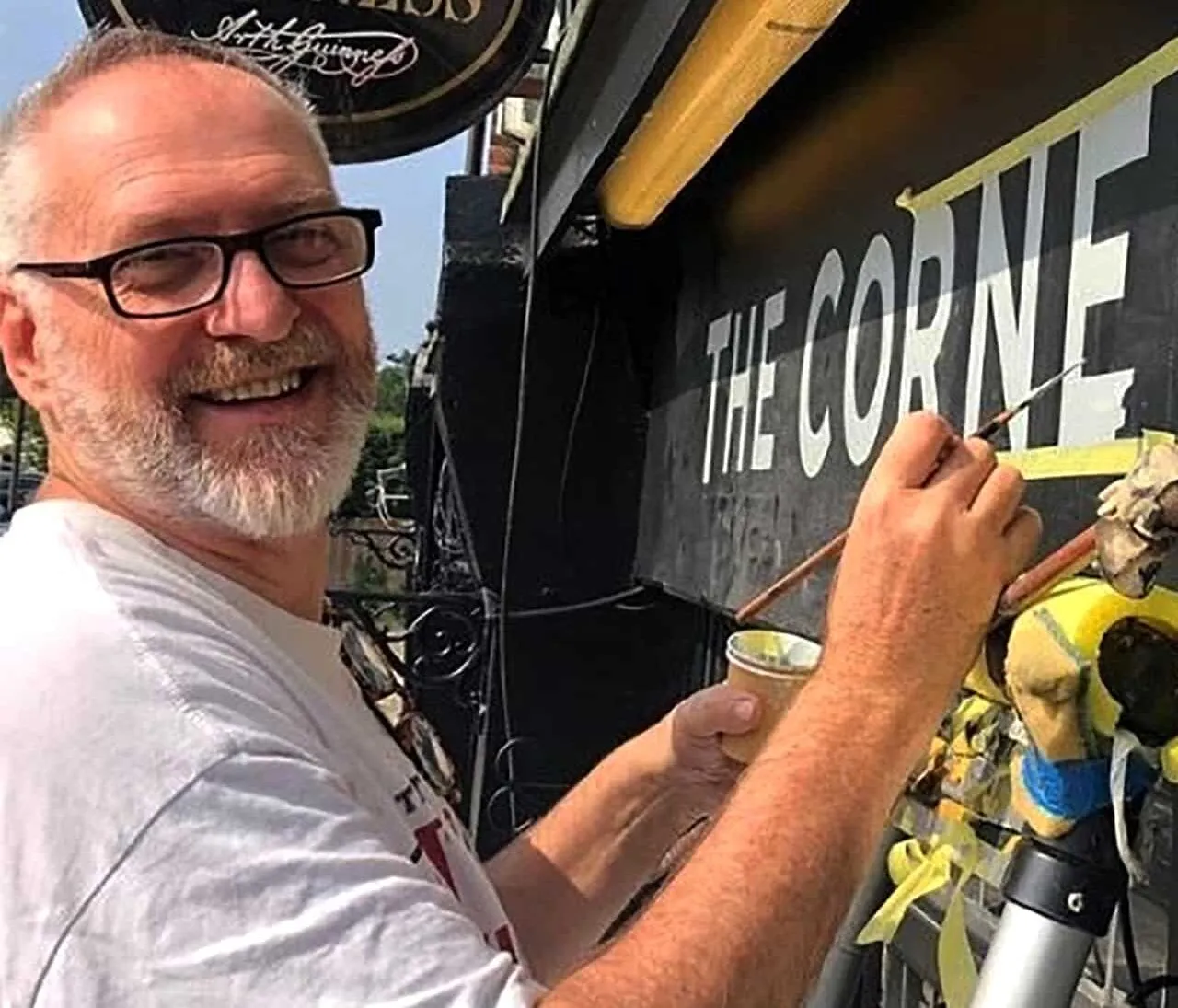
Nick Garrett
For quick estimates call or Whatsapp Nick on:
07960113799
or email
nickgarrettsigns@gmail.com
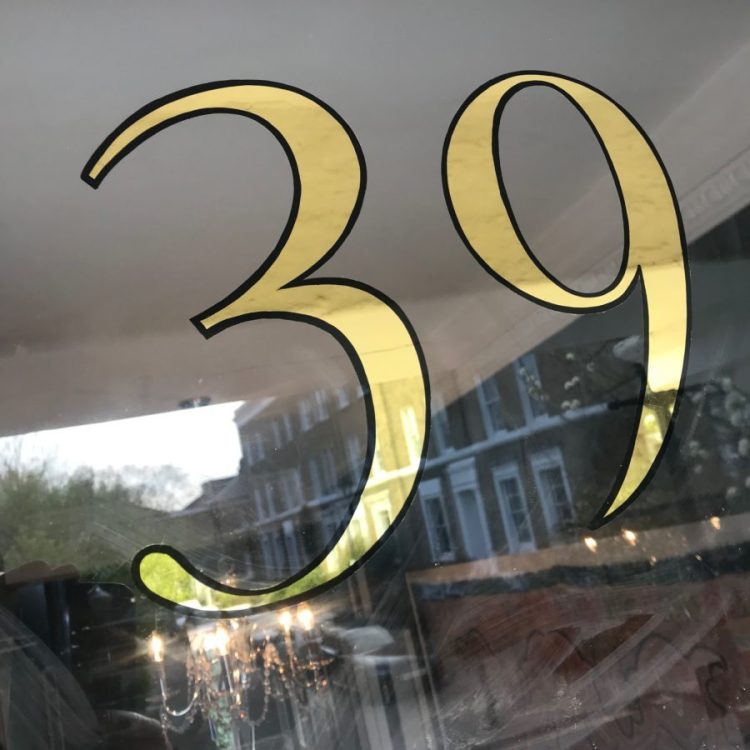
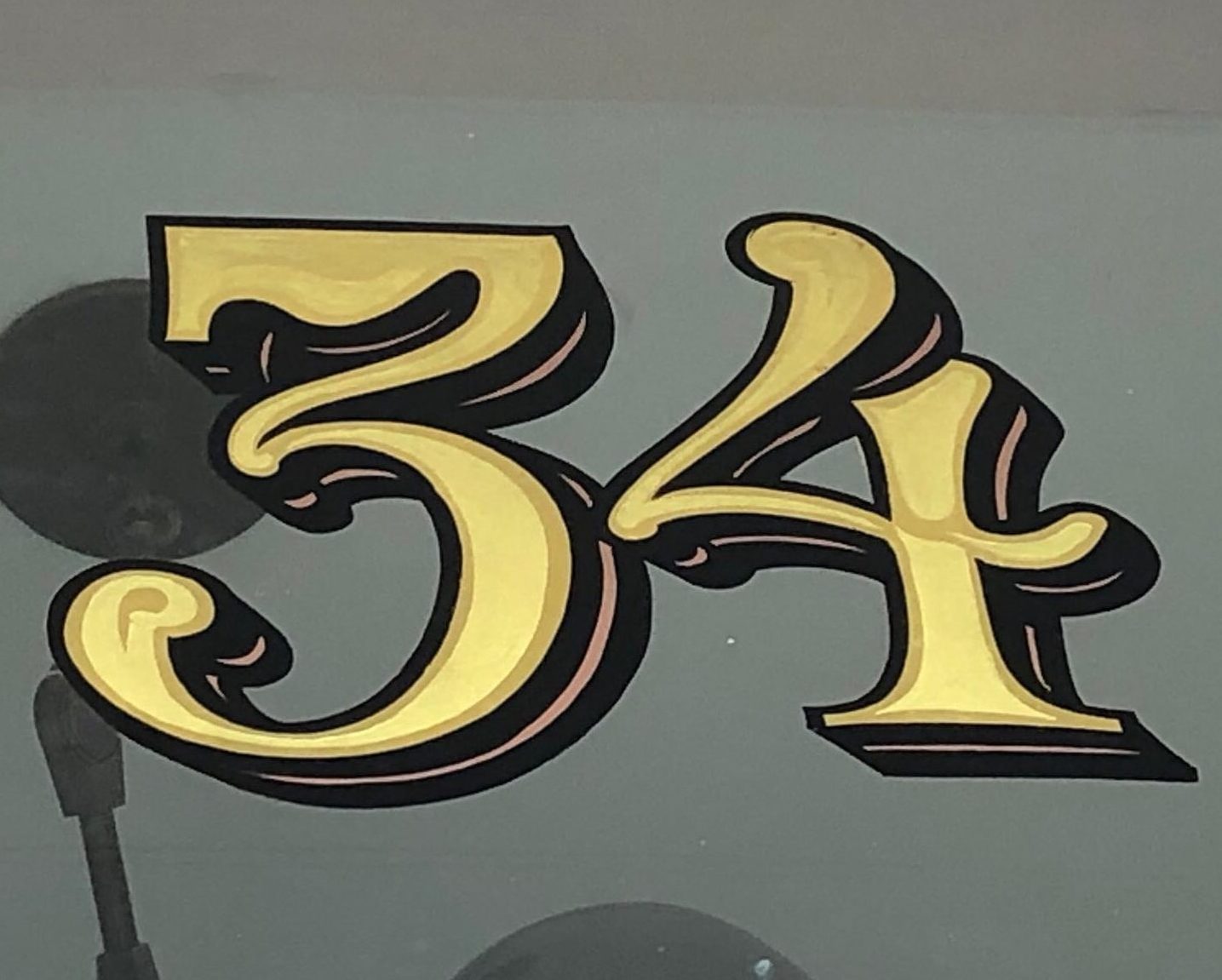


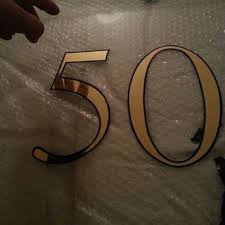
2 tone Gold leaf Transom numbers
It’s such a great feeling knowing that every time you arrive home, pull out the keys these numbers will make you feel a special feeling of job well done.
For us painting house numbers is the most satisfying of all our work, simply because we get so excited about it and the creative process is always interesting and fun!

Ghost signs
Washed out – shaded Ornate
For your home or prestige build project.

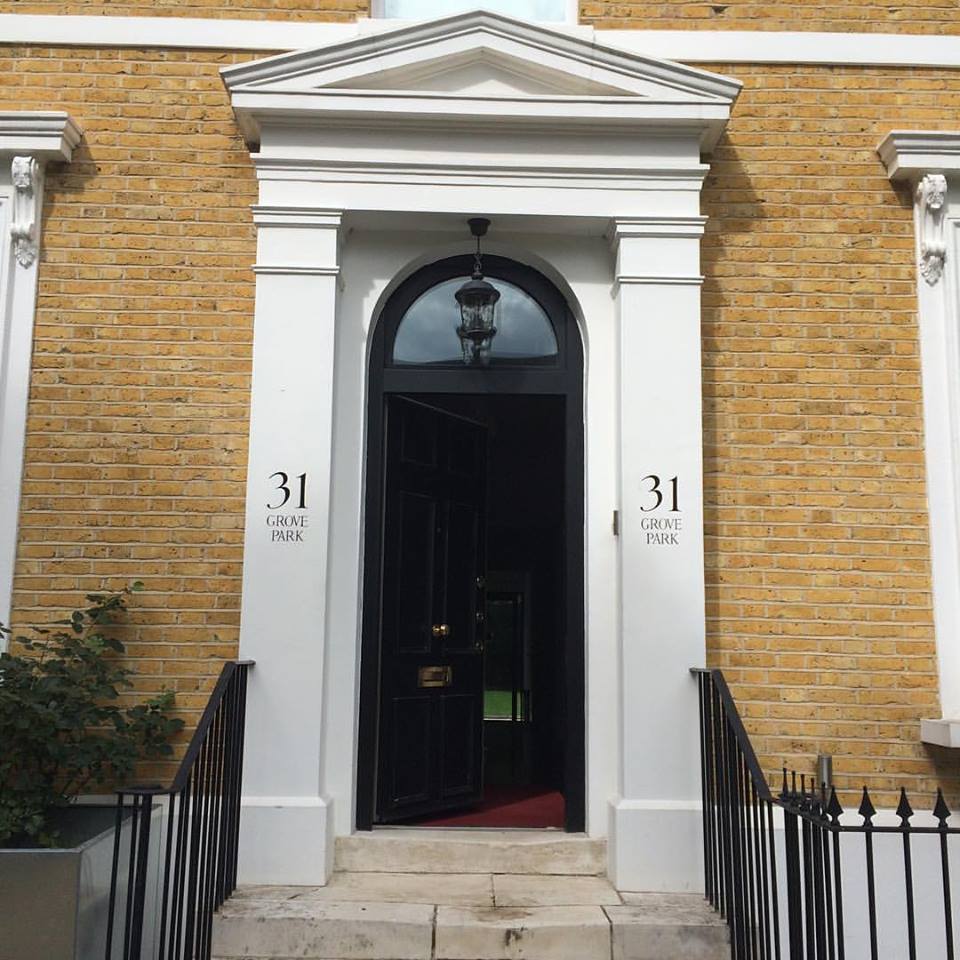
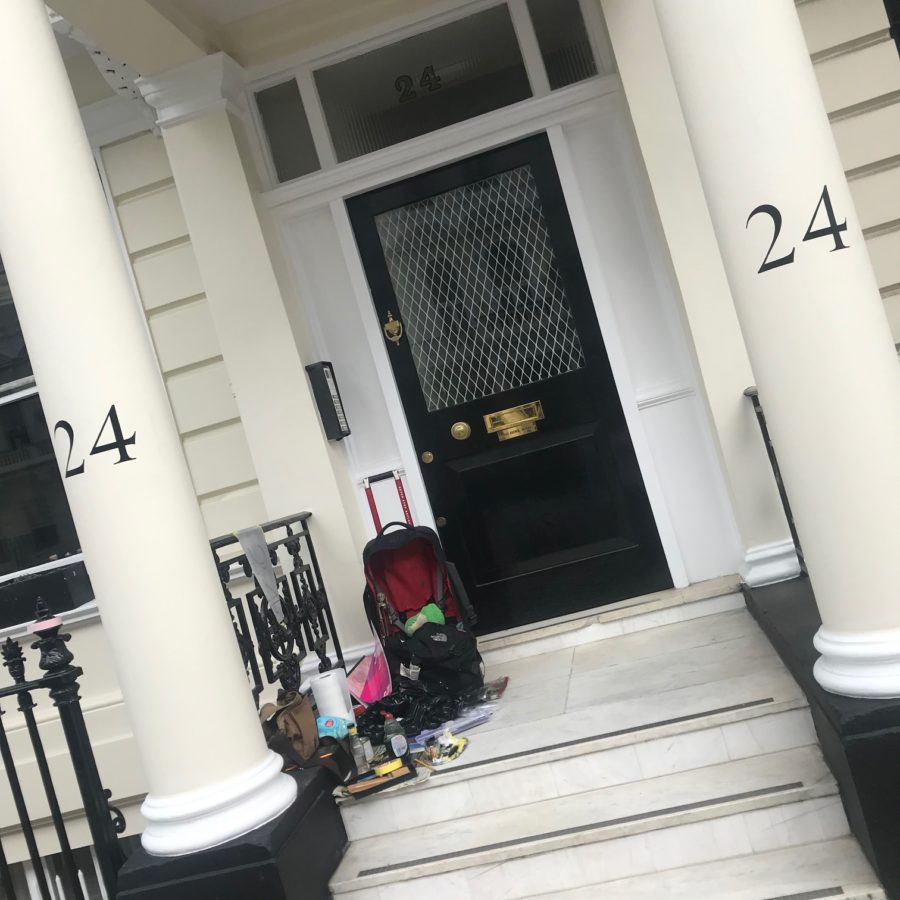
Pillar Numbers
In the details and then some!
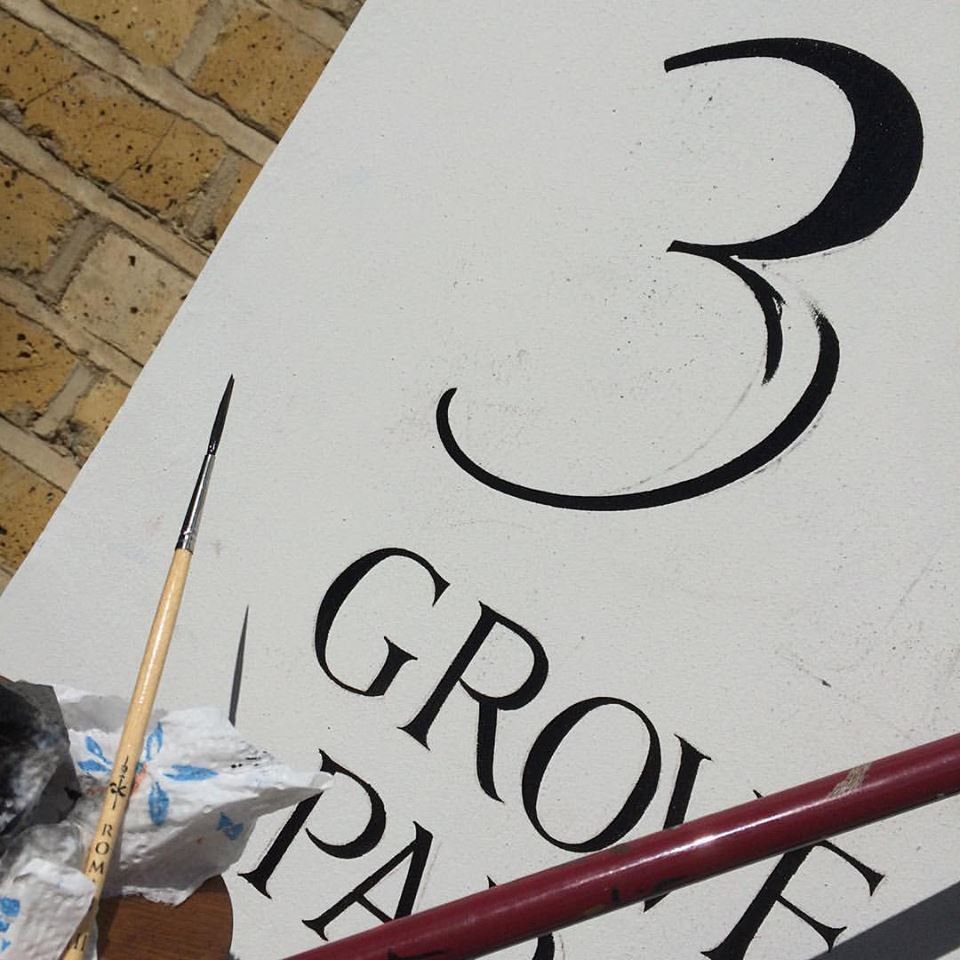
All numerals drawn and painted by hand pretty much on your doorstep taken from your local London numeral styles and era reference.
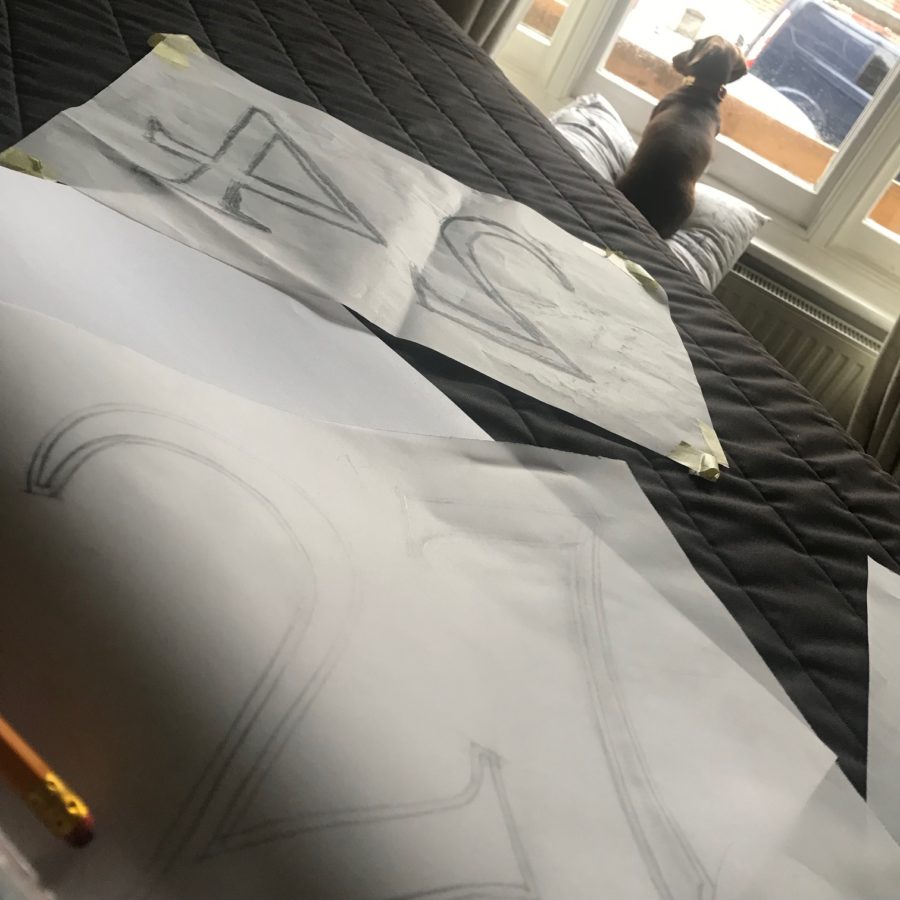
Hand painted by dogs’ best friend…
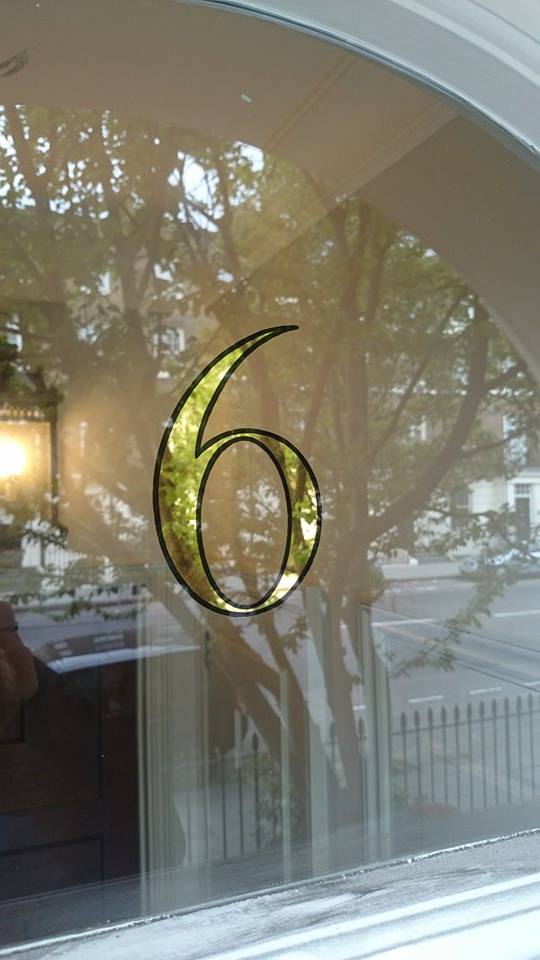
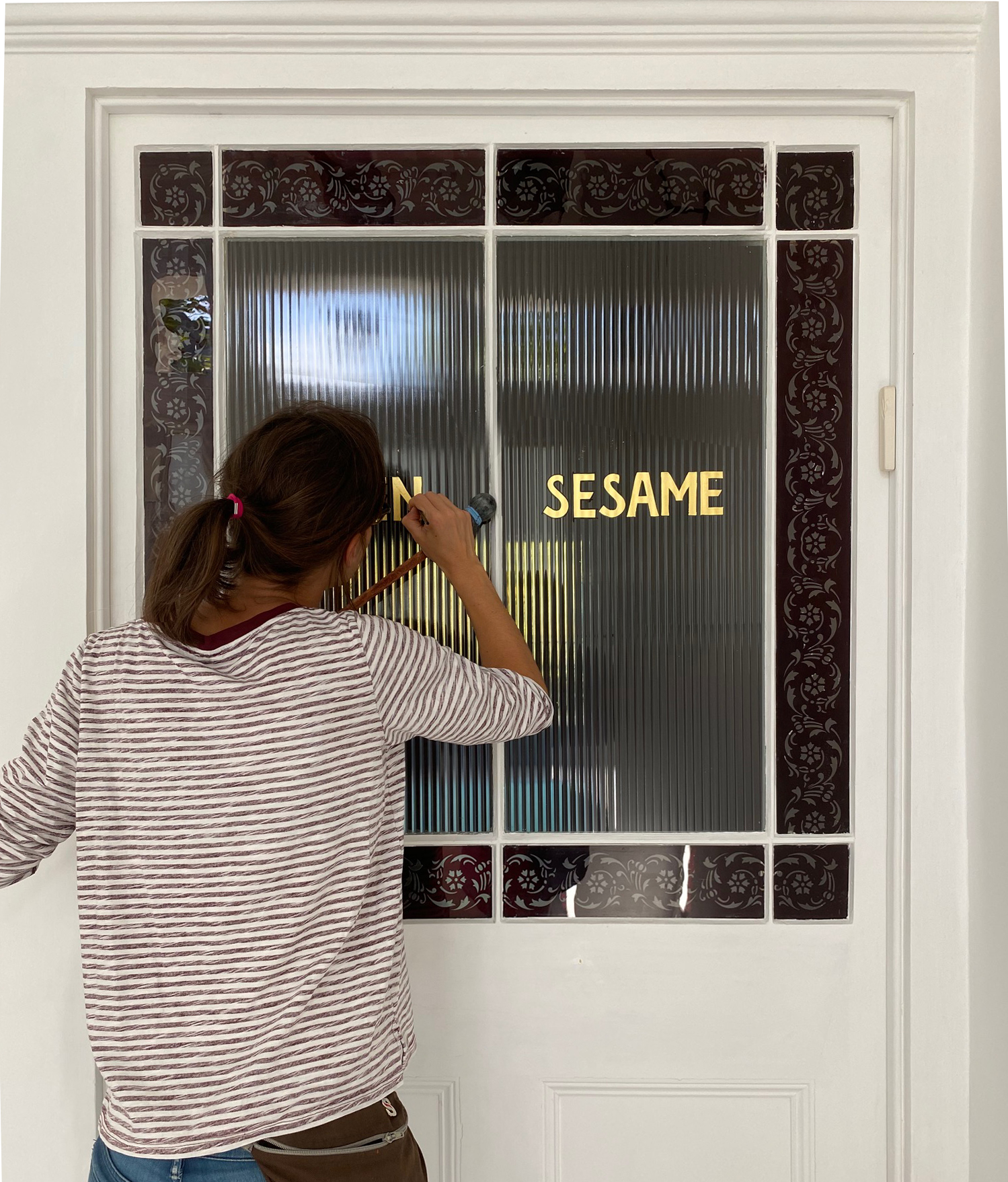
Mirror gold leaf Fanlights

Book your beautiful NGS numeral
or a quick pre-design chat
07960113799
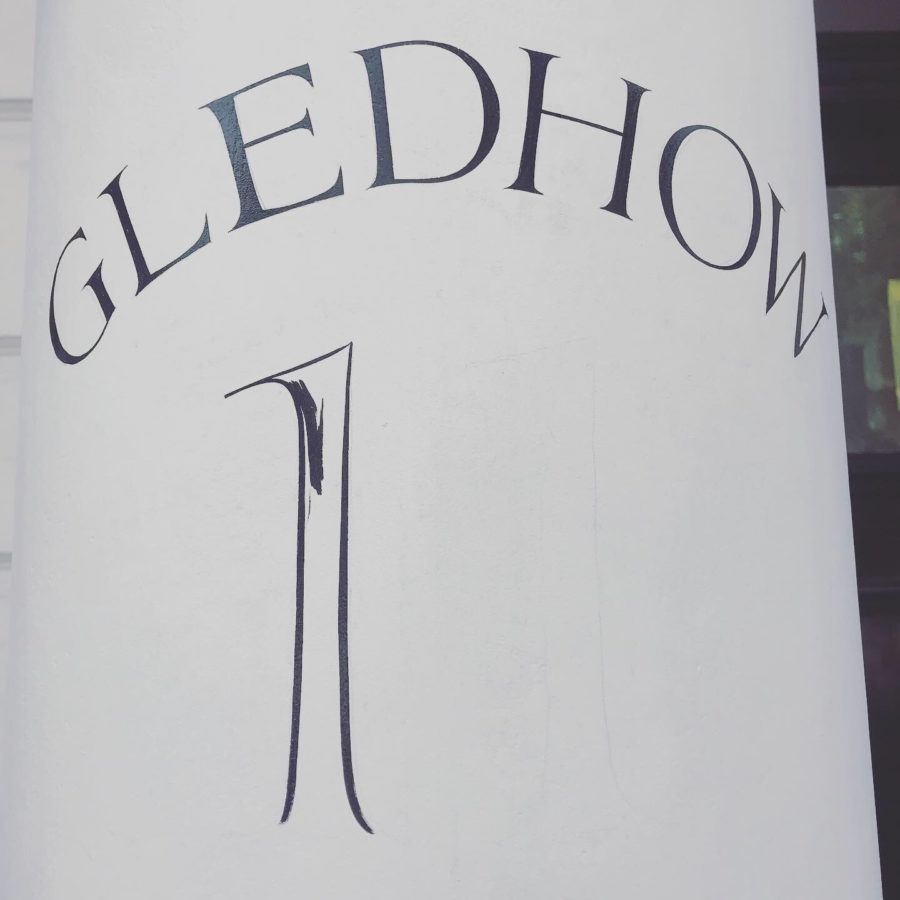
Fine line Roman numerals fit for any prestige Kensington and Chelsea home. Finished piece below.
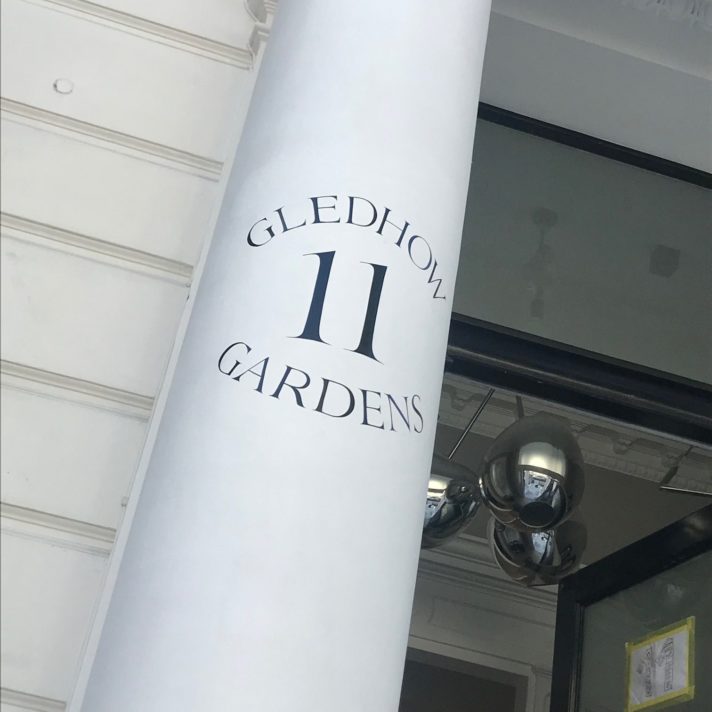
Insight: Our London Romans
The traditional William Sharpington, London Roman is very different to the Italian Trajan style. It has a calligraphic voice crafted around its Delf Smith cultural and architectural context.
William Sharpington (1900–1973)
A British lettering artist who worked in sign painting and the design of monuments. In the view of John Nash and Gerald Fleuss, his London lettering workshop “produced, from the 40s to the 60s, some of the most refined and distinguished public lettering in England”.
.JPG)
Memorial to John Collis Browne, Ramsgate
Early life
The son of a baker, Sharpington studied at the City and Guilds of London Art School and started his career working as an assistant in the workshop of Percy Delf Smith from about 1920 to 1935. He then set up his own practice which continued through the post-war period. At the time it was normal to use custom painted or carved lettering for large signs because of the inflexibility of printing large fonts using letterpress. before the arrival of large-size printing technologies like vinyl sign cutters and computer fonts.
The son of a baker, William Sharpington received his formative artistic training at the City and Guilds of London Art School, an institution long regarded for its rigorous emphasis on drawing, craftsmanship, and architectural ornament. His education there placed him within a lineage of British lettering rooted in workshop practice and the revival of classical models, providing him with both technical skill and an awareness of historical typographic forms.
Around 1920, Sharpington entered the workshop of Percy Delf Smith, one of the foremost lettering artists of the early twentieth century and a direct pupil of Edward Johnston. This apprenticeship—lasting until approximately 1935—proved decisive in shaping Sharpington’s aesthetic and professional orientation. Delf Smith’s workshop operated according to the principles of the Arts and Crafts movement, emphasising disciplined handwork, the study of Roman epigraphy, and the harmonious integration of lettering with architectural settings. Under this tutelage, Sharpington absorbed not only the formal principle style of fine lettering rooted in Roman square capitals, but also the ethos of meticulous craftsmanship. This included the use of penmanship and drawing combining to emphasise proportional sensitivity, and an architecturally contextual design that defined the “modern” British lettering renaissance.
Following his fifteen-year association with Delf Smith, Sharpington established his own independent practice, which continued into the post-war period. During this era, the use of custom-painted or carved lettering for large-scale signage remained widespread. The limitations of letterpress technology—with its inability to produce very large fonts—meant that lettering for civic buildings, commercial premises, and public spaces required bespoke execution by skilled artisans.
This historical moment preceded the emergence of large-format printing technologies such as vinyl-cut lettering and computer-generated fonts. Consequently, Sharpington’s craft occupied a crucial transitional phase in British visual culture, bridging traditional hand-rendered lettering and the mass-production systems that would later dominate the field.
Around 1920, Sharpington entered the workshop of Percy Delf Smith, one of the foremost lettering artists of the early twentieth century and a direct pupil of Edward Johnston. This apprenticeship—lasting until approximately 1935—proved decisive in shaping Sharpington’s aesthetic and professional orientation. Delf Smith’s workshop operated according to Arts and Crafts principles, emphasising disciplined handwork, the study of Roman epigraphy, and the harmonious integration of lettering with architectural settings. Under this tutelage, Sharpington absorbed not only the formal principles of Roman square capitals but also the ethos of meticulous craftsmanship, proportional sensitivity, and contextual design that defined the “modern” British lettering renaissance.
Following his fifteen-year association with Delf Smith, Sharpington established his own independent practice, which continued into the post-war period. During this era, the use of custom-painted or carved lettering for large-scale signage remained widespread. The limitations of letterpress technology—with its inability to produce very large fonts—meant that lettering for civic buildings, commercial premises, and public spaces required bespoke execution by skilled artisans.
This historical moment preceded the emergence of large-format printing technologies such as vinyl-cut lettering and computer-generated fonts. Consequently, Sharpington’s craft occupied a crucial transitional phase in British visual culture, bridging traditional hand-rendered lettering and the mass-production systems that would later dominate the field.
Career
Delf Smith and his teacher Edward Johnston, influenced by the Arts and Crafts movement, had established a style of fine lettering rooted in Roman square capitals which had quickly become a standard for prestigious lettering like monuments and memorials. Sharpington also worked in this style, with use of italics, calligraphy and swashes. Nick Garrett, a modern day London based Traditional signwriter, comments that “I had worked alongside his lettering in the House of Lords some years earlier and they left such a lasting impression ”… Sharpington’s work is of course notably classical, yet each letter was made from his own passion for calligraphic rendering.
Pristine italics and controlled swashes
The structures are strongly reminiscent of the original Trajan (Roman) and Jensen (Venetian) inspirational characters”. Sharpington’s style uses the general square letterform spacing of the Trajan capitals, yet it uses the lower case which was invented in the late 9th and 9th centuries in Europe during the reign of Emperor Charlemagne, who promoted the use of a new, more readable script called Carolingian minuscule. Shapington’s variation according to Nick Garrett “is very different to the Italian Trajan style. It has a calligraphic voice crafted around its Delf Smith cultural and architectural context.”
His work demonstrates his desire to continue Delf Smith’s extended, plain yet un-plain English poetic, Arts and Crafts motifs. The use of pristine italics and controlled swashes, set a clear departure from rigid capital forms, visible in both his monumental inscriptions and his painted public lettering. Italic versions, decisively arced ligatures and swashes, reveal his sensitivity to the nature of the pen.
His practice therefore occupies a notable position within the history of twentieth-century British lettering: constrained in its allegiance to Roman models and lyrical in its embellishment of these new era Gothic Roman crafted forms, no matter the architectural and civic contexts.
Nick Garrett NGS Arts
WIKIPEDIA PAGE: William Sharpington
More Sign Design Pages
Popular posts by NGS
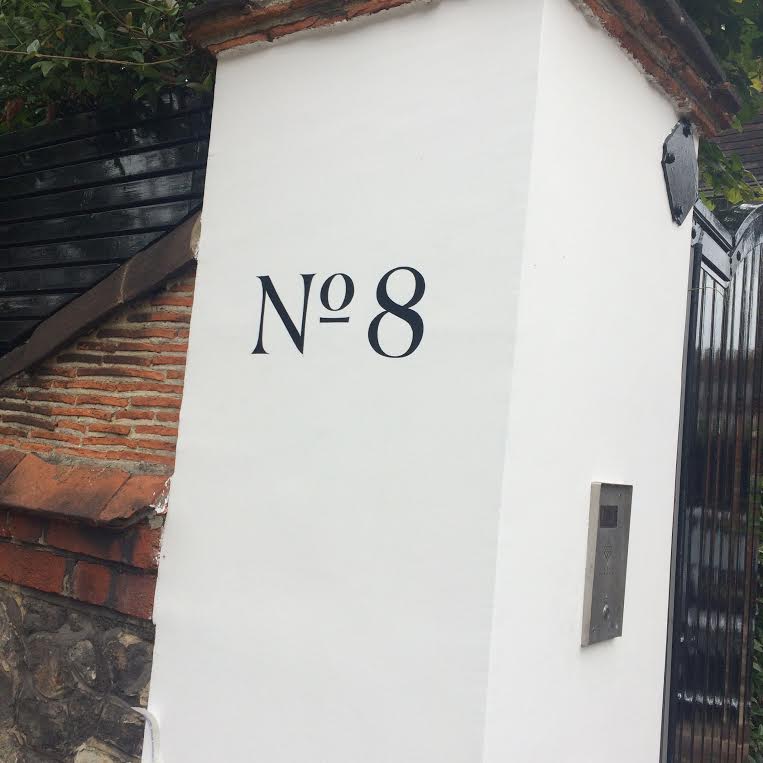
Quality, beauty, precision.

London house numeral specialists.
Check our prices and availability
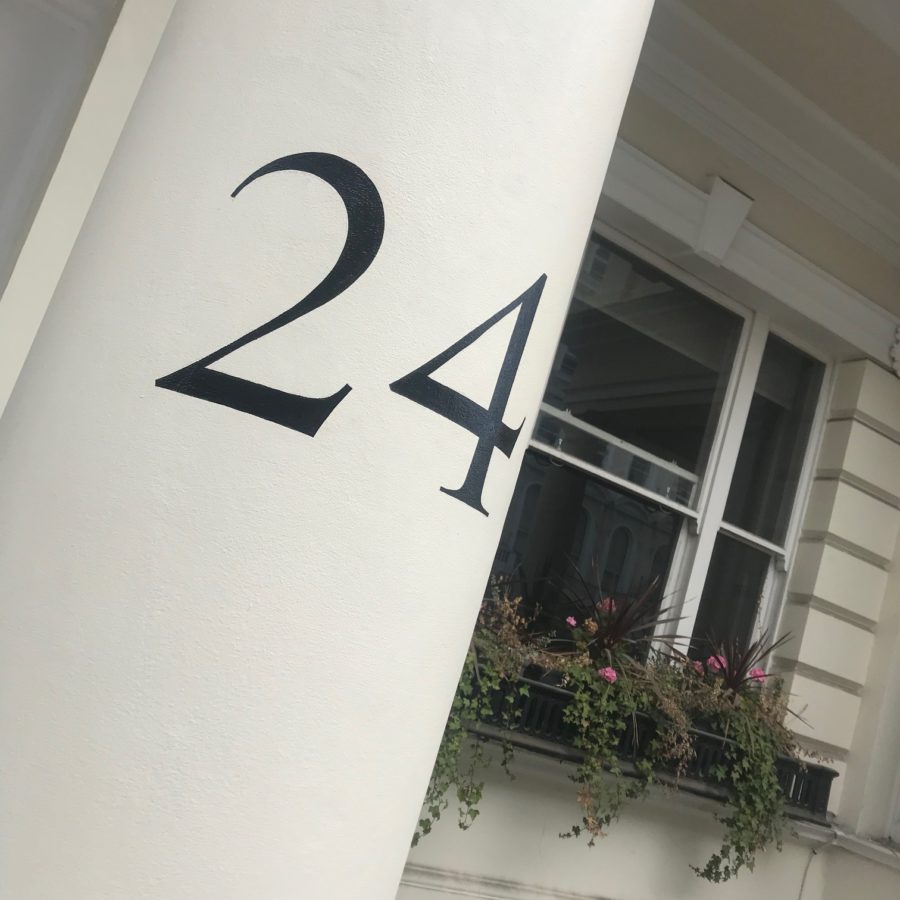
Choose your perfect style.

Roman serif beauty: Each number is meticulously crafted on the drawing board. Each serif or arc refined for classic beauty. Then we take that craftsmanship onto your home.

Bespoke Gold Leaf or Edwardian Enamel


Numeral Statements

We paint London’s best and most dreamy signs.
HOUSE SIGNS + SHOP SIGNS
MAINLY MOSTLY